An architect’s perspective on why MMC IS already proven—and why hesitation, not capability, is holding Australia back from scaling modular delivery
For nearlytwo decades, I’ve been part of a conversation that never quite seems to land.
Is modular viable?
Is MMC ready?
Will it ever scale in Australia?
These questions surface at conferences, in boardrooms, and across project teams with striking regularity. And yet, in parallel—and largely without fanfare—we’ve delivered more than 200 modular buildings across the country.
The heroes over these years are the people who trusted modular delivery because they recognised it as the best way to deliver better outcomes for the communities they serve.
My role has simply been to help guide that journey, and I remain grateful for the trust placed in me by those willing to move from debate to delivery when it mattered most.
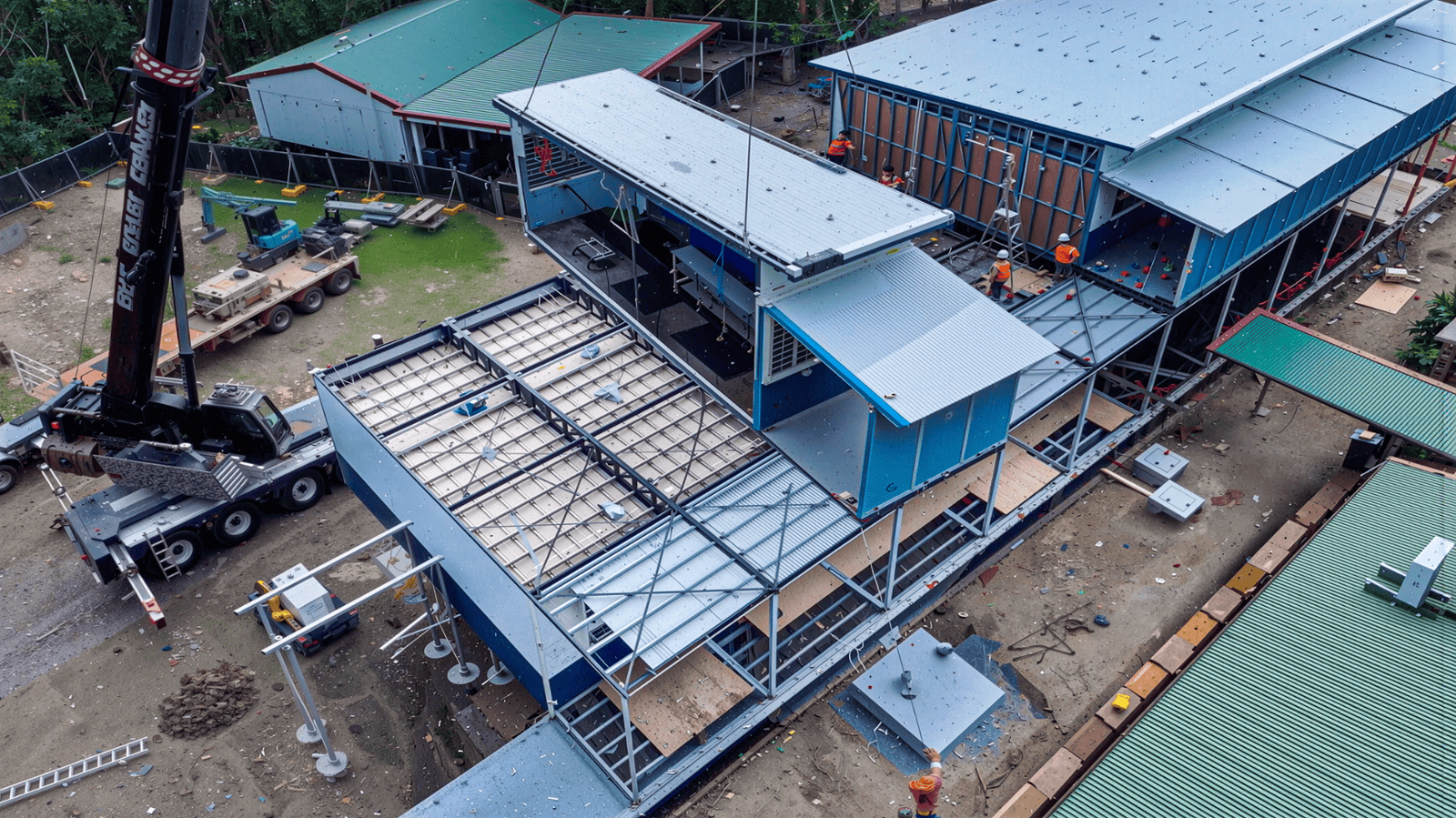
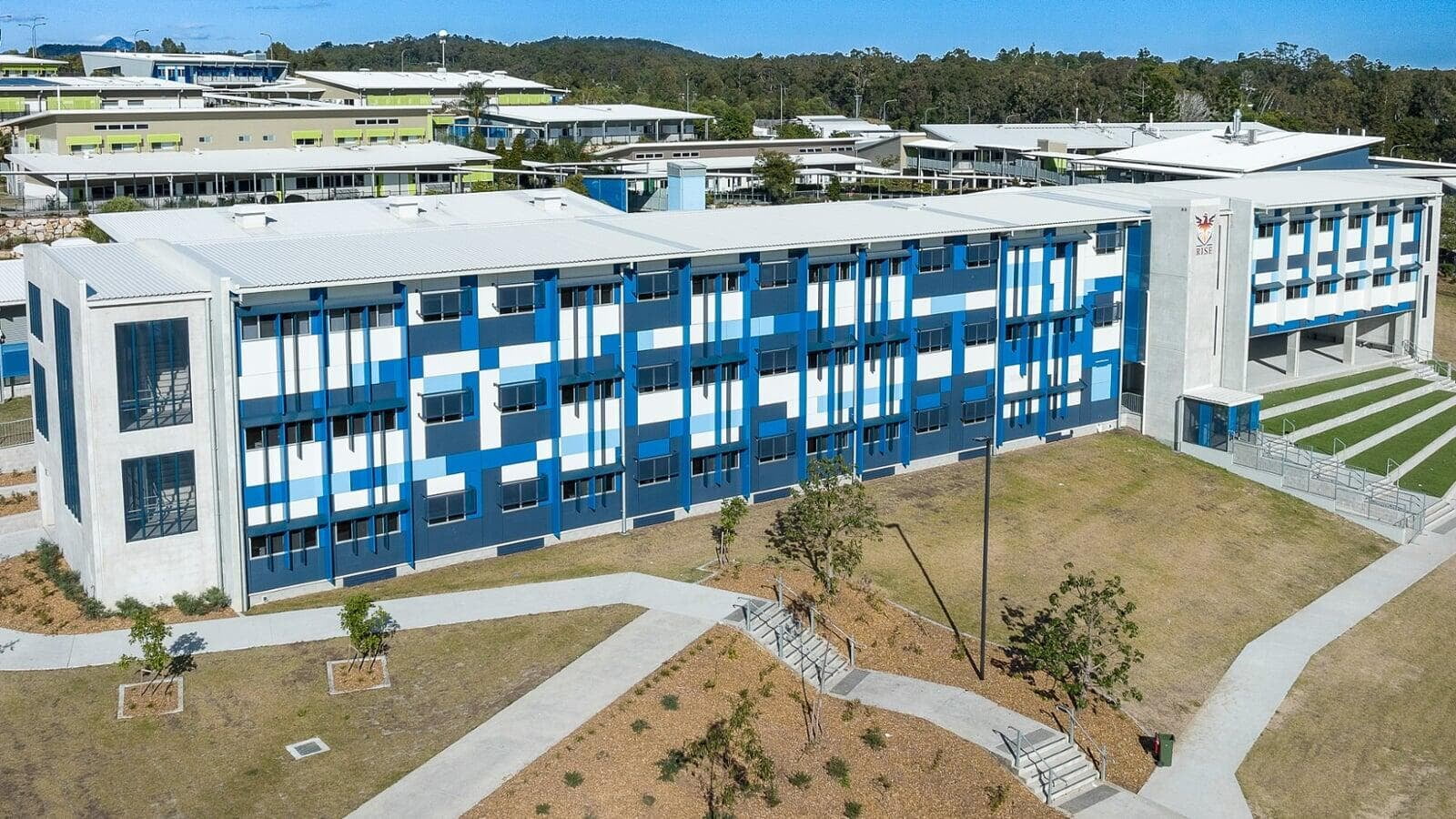
Modular General Learning & Facilities School Building | Department of Education QLD | Vabasis
Schools. Health facilities. Community housing. Civic infrastructure.
Delivered in metro, regional and remote contexts.
Delivered under pressure, within constraints, and often wheretraditional construction simply couldn’t keep up.
So let’s start with a simple reframing:
The real question is why the broader industry is still catching up.
The Industry is Solving Yesterday’s Problems
Australia’s construction sector is facing a convergence of pressures. ambitious housing targets, cost escalation, labour shortages, and rising expectations around sustainability and performance.
We are being asked to deliver more, faster, and better.
Yet, too often, we respond with methods optimised for a different era—methods that rely on sequential processes, fragmented trades, and unpredictable site conditions.
The inefficiencies are well understood. So are the risks.
Modern Methods of Construction—particularly modular and offsite manufacturing—offer a different pathway. One where parallel workflows replace sequential ones. Where quality is controlled in factory environments rather than improvised on site. Where timeframes are not aspirations, but engineered outcomes.
And yet, we still treat MMC as an exception rather than a standard option.
This disconnect is becoming harder to justify.
A Case Study: When It Has to Work
Several years ago, we were engaged to deliver a modular accommodation solution for a regional workforce housing project.
The brief was clear:
166 units, common areas, shared facilities, 3 storeys
A fixed delivery timeframe driven by operational needs
A constrained site with limited local labour availability
High expectations around durability and performance
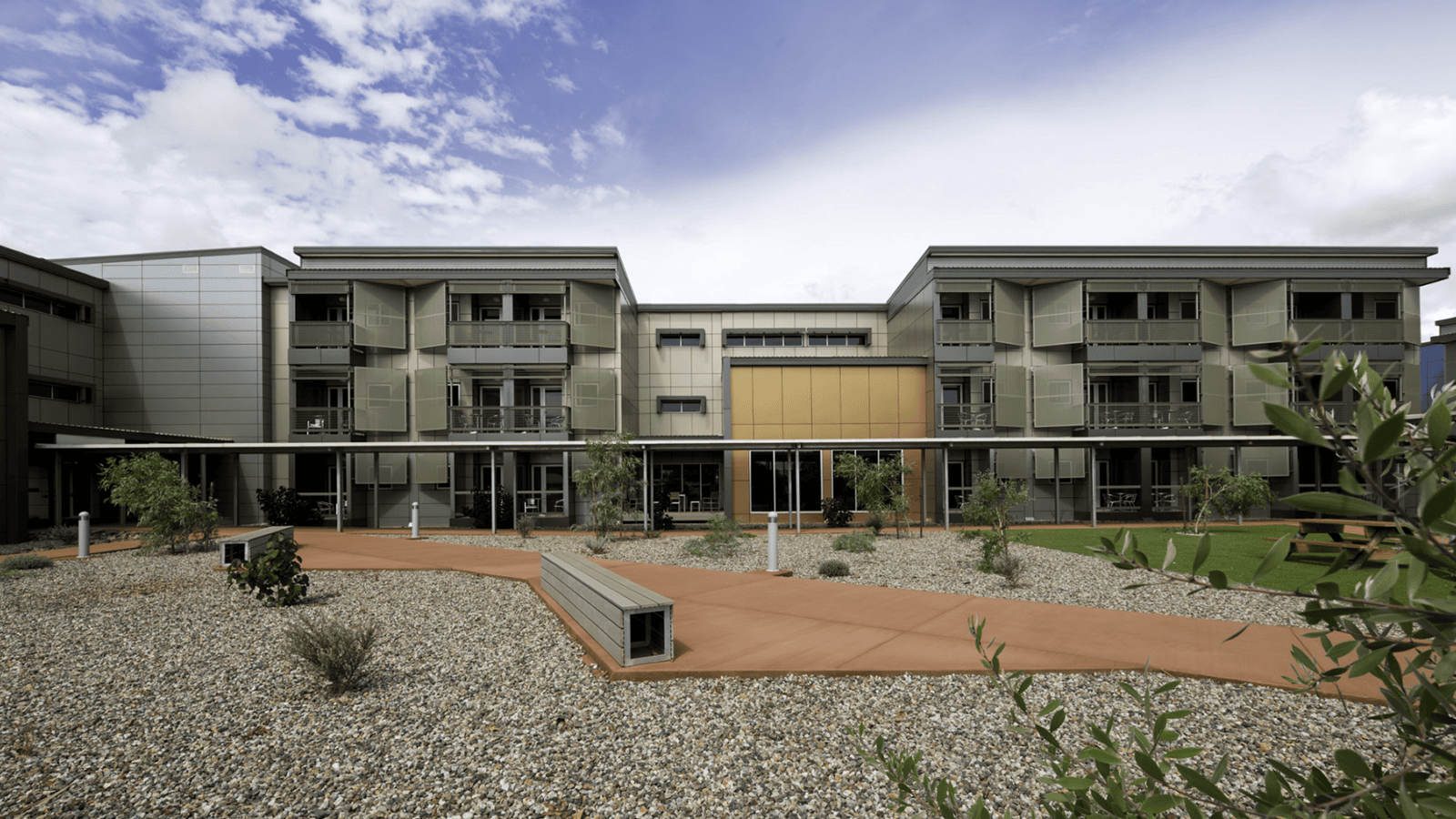
Remote Workers Accommodation | Rio Tinto | Vabasis
A traditional approach would have struggled to de-risk the program. Trades were scarce. Weather would have been a factor. The timeline allowed little margin for delay.
The solution was amodular approach, with units fabricated in a controlled environment while site works progressed in parallel.
What this delivered was not just speed—though the program was significantly compressed—butcertainty.
Modules arrived complete, consistent, and coordinated
Installation becameassembly rather than construction.
The project team shifted from reactive problem-solving toproactive delivery.
Most importantly, the outcome met every requirement:quality, timeline, and performance.
That project was not unique. It wasrepeatable.
And that’s the point.
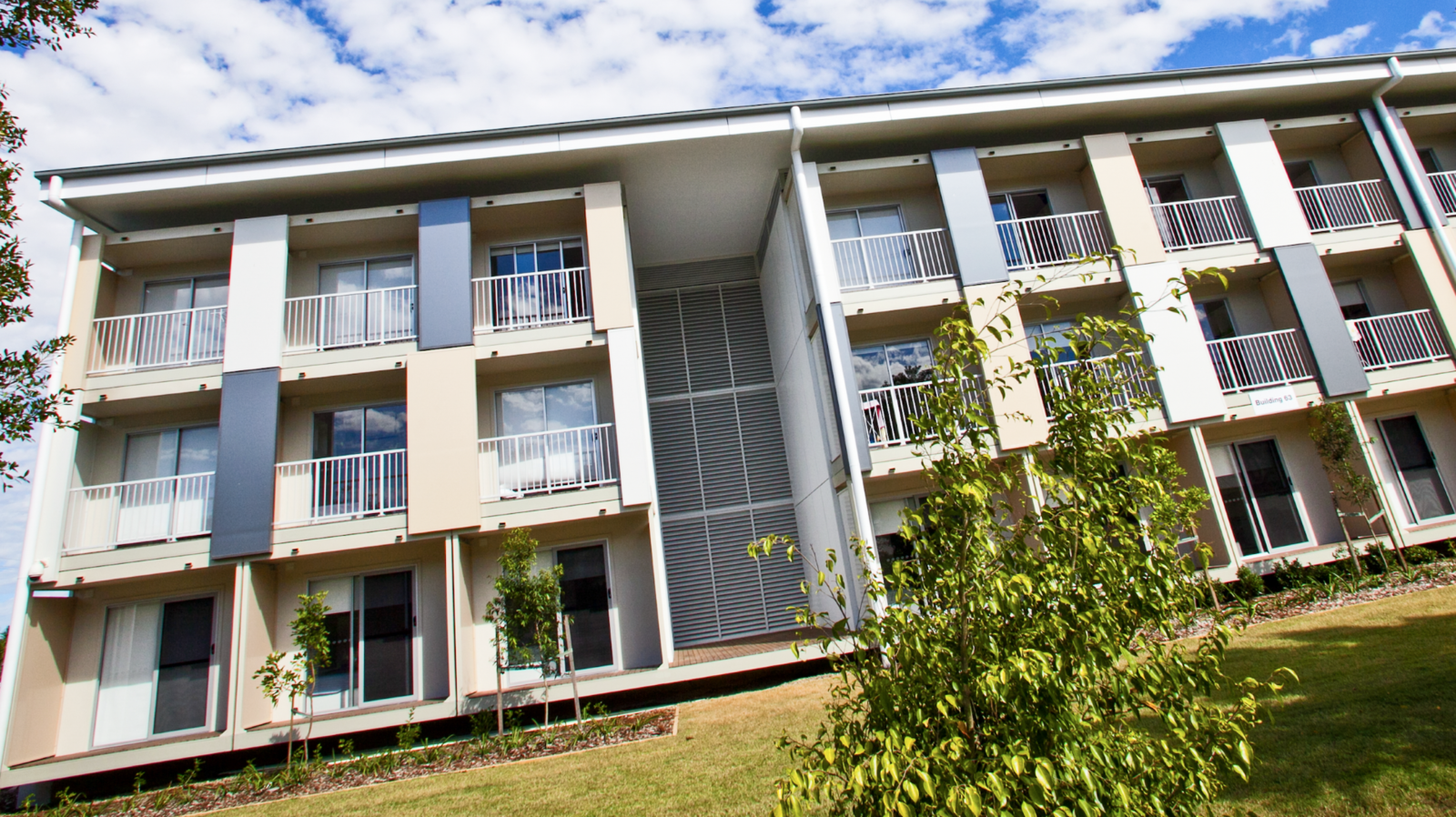
Modular Student Accommodation | Central Queensland University | Vabasis
The Real Barrier Isn’t Technology — lt’s Us
After more than200 projects, one conclusion stands out above all others.
The barrier to MMC adoption is not technical capability. It issystemic inertia.
The same constraints come up again and again:
Inefficient design relies on slow, labour intensive insitu intervention
Procurement models that assume linear, site based construction
Planning frameworks that vary introducing unnecessary complexity
Financing structures misaligned with offsite manufacturing
Persistent perceptions around quality and design limitation
Design Thinking Needs to Catch Up
There’s another misconception that continues to limit MMC’s potential—the belief thatmodular requires compromise.
It doesn’t.
What it requires isa shift in how we think about design.
It demands earlier decisions, tighter coordination, and a disciplined approach. It forces alignment between stakeholders and across disciplines from the start.
The result is architecture that ismore resolved, more buildable, and more predictable.
Modular design avoids the inefficiencies in traditional processes that we have simply learned to tolerate.
The Global Context is Already Clear
While Australia is constrained by debate, other markets have moved on.
Elsewhere MMC is embedded into mainstream delivery as a core part of the construction ecosystem.
Design integration has advanced. Supply chains have matured. Manufacturing has scaled.
Elsewhere the conversation is about how to optomise MMC further.
Australia is not constrained by a lack of capability, but by a failure to commit toscaled, programmatic deliverybuilt on standardisation, repeatable design, and early design resolution.
Australia’s failure to commit isout of step with the urgency of the challenges we face.
Momentum Comes from Delivery, Not Debate
Momentum in modular construction iscumulative and delivery led.
The real value of MMC emerges when it is treated as a system of repeatable delivery, not a series of isolated projects.
Each project actively builds the system by:
Strengthening and stabalising supply chains
Growing workforce capability and familiarity
Refining procurement and delivery pathways
Generating performance data that builds confidence and reduces risk
These benefits compound through continuity.
Scale is the by-product of consistent repetition and continuous improvement.
Every modular project adds efficiency, certainty, and capability to the next.
So Why the Hesitation?
The barrier to modular adoption is not technical or commercial –its cultural.
An industry shaped by precedent continues to default to familiar methods, even when they are demonstrably slower, less efficient, and less certain. What is often framed as prudence is, in reality, ‘resistance to change’.
But in today’s environment,caution is no longer neutral—it is counterproductive.
Demand is accelerating. Shortages are acute. Infrastructure delivery is under pressure. In this context,delay is not responsible—it actively amplifies risk, cost, and unmet need.
From Option to Obligation
Modular construction has moved beyond choice—it is now adelivery requirement.
There was a time when MMC could be treated as a niche or alternative pathway.
In a market defined by constrained capacity, rising demand, and the need forfaster, more certain outcomes, modular must be considered as a core delivery system.
When assessed on merit, modular does not simply compete with traditional construction—it consistently outperforms it in the areas that now matter most:
Speed of delivery
Programme certainty
Quality and repeatability
Reduced site impact and risk
In these conditions, the question is no longer whether to use modular, but where it delivers better outcomes—and to act decisively when it does.
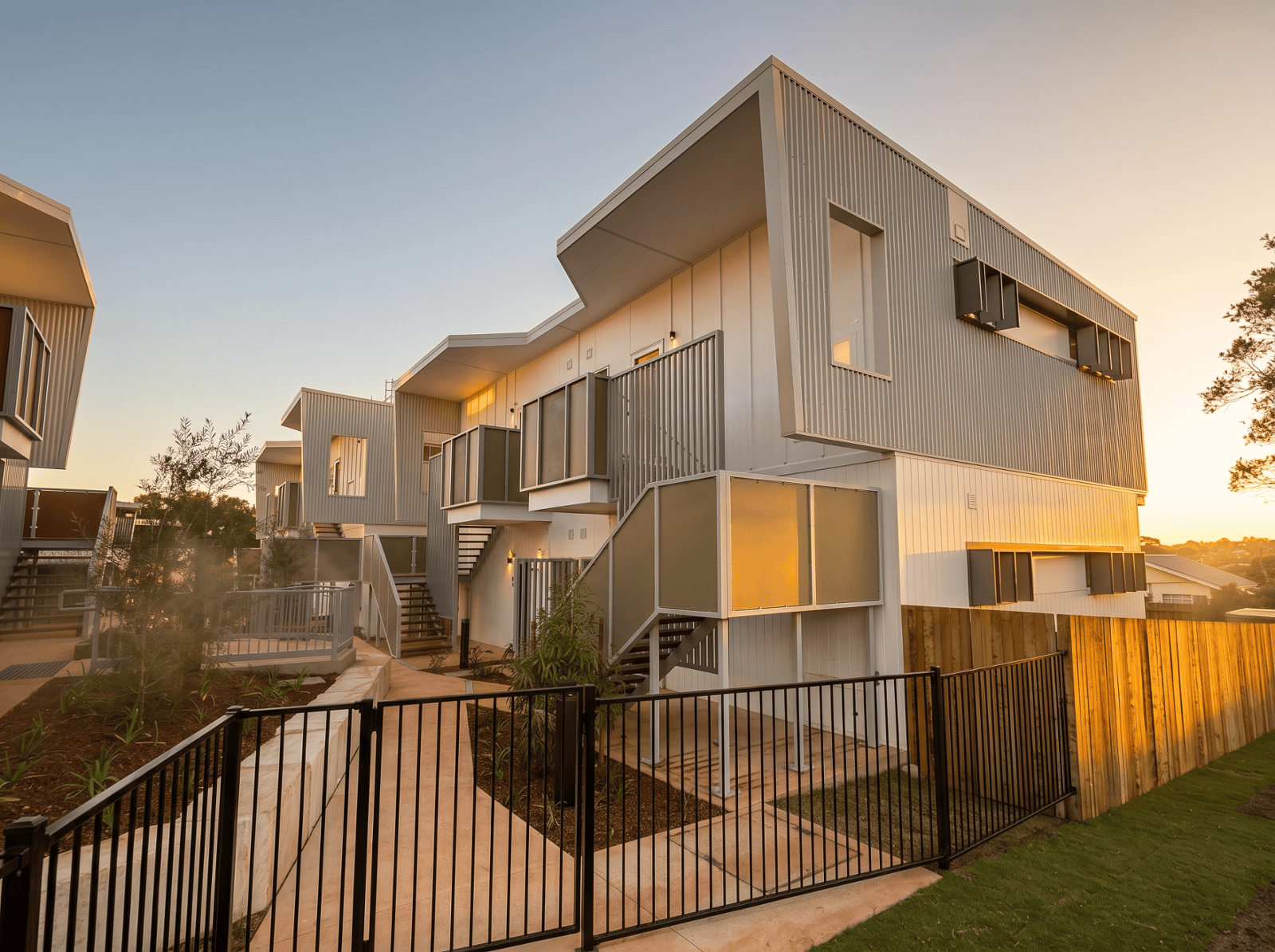
Modular Social Housing | Department of Housing and Public Works QLD | Vabasis
Just Start Delivering
The case for modular construction is already proven. What’s missing isaction.
After two decades of modular delivery, the clearest lesson is this:progress comes from doing—not debating.
Not another feasibility study
Not another panel discussion
Not revisiting the same questions already answered
Real progress comes fromdelivering projects.
The Reality
The evidence is established
The capability already exists
The demand is accelerating
The remaining gap is not proof—it ismomentum.
And momentum only comes from repetition and delivery.
MMC does not need more validation—it needsexecution.
Stop debating modular construction.
Start delivering with it—because every project built is a step toward a faster, more certain system.